

How Often Should You Wash a Commercial Building Façade in Houston’s Climate?
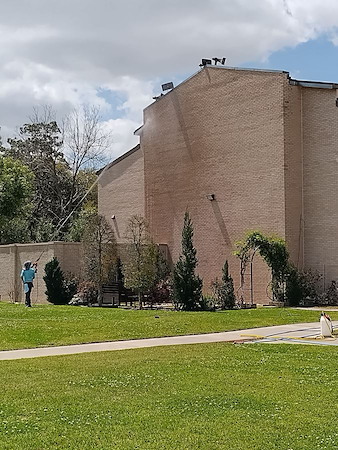
If you manage a property in Houston, TX, you have likely seen algae, soot, and pollen cling to walls faster than you expect. That is why many owners plan regular commercial building façade cleaning on a set schedule that fits our weather. When you want predictable results and a safe process for your materials, the easiest path is to book professional exterior building cleaning and stick to a calendar that keeps stains from taking hold.
This guide explains how often most façades need washing in the Houston area, what local conditions speed up buildup, and how a simple maintenance plan protects your curb appeal and your tenants’ experience.
Why Houston’s Climate Changes Your Cleaning Schedule
Houston is hot and humid for long stretches, with sudden downpours, long pollen seasons, and periods of construction dust. Warm, damp air feeds algae and mildew on shaded walls and around planters. Oak and pine pollen coat glass and metal in spring, and gulf moisture lingers on north-facing sides. Near freeways like I‑10, US‑59, and the Loop, traffic film sticks to porous surfaces and turns light-colored stucco dingy in weeks.
These conditions shorten the time between cleanings compared with drier cities. Buildings in Downtown, the Galleria, the Energy Corridor, Westchase, and Midtown often need attention sooner, especially where irrigation overspray keeps lower walls wet. If your property has frequent foot traffic or a restaurant tenant, grease vapor and handprints add to the mix. In short, our climate rewards proactive care and reliable commercial pressure washing services.
Recommended Washing Frequency By Building Type And Material
Every property is different, but the timelines below fit most sites within 25 miles of Houston. Shaded façades, heavy landscaping, and areas near highways or bayous may need the shorter end of each range.
- Stucco and EIFS: soft wash every 3 to 6 months in shaded or landscaped areas; 6 to 12 months for sun‑exposed walls.
- Painted Concrete or Tilt‑Wall: rinse and detergent wash every 6 months; spot treatments quarterly at entrances.
- Brick and Masonry: gentle wash every 6 to 12 months; watch for efflorescence on newer sections.
- Natural Stone (Limestone, Cast Stone): low‑pressure wash every 3 to 6 months where irrigation or runoff hits; 6 to 12 months elsewhere.
- Metal Panels: detergent wash every 3 to 6 months to remove oxidation and traffic film.
- Glass Curtain Walls: monthly to quarterly exterior rinses depending on exposure and height, paired with routine window service.
- Awnings and Canopies: quarterly cleanings; more often near food service or trees.
These ranges help you plan, but results improve most when you pair washing with light, frequent touchups at entries, loading areas, and around planters. That prevents stains from etching and keeps your main washes faster and safer.
Telltale Signs It’s Time To Wash
Between scheduled service visits, watch for these signals. They often show up first on the north side, near sprinklers, or by busy entrances.
- Green or gray film on stucco, especially under ledges and around landscaping.
- Black streaks or traffic soot near roads, alleys, and parking structure vents.
- White, powdery residue on brick or stone that looks like chalky salt.
- Rusty orange drips below metal fixtures or exposed fasteners.
- Hard water spots and drip lines from gutters and window frames.
- Mildew odor around shaded walls and canopies after rain.
What Builds Up Where: Algae, Mildew, And Pollution
In neighborhoods like Montrose, the Heights, Bellaire, and Sugar Land, shaded walls near trees collect organic growth fast. North and east elevations stay damp longer in our climate, so algae wins the race there. Along busy corridors, soot bonds with pollen and dust to make a sticky grime that resists rain. Lower walls catch irrigation overspray, which leaves mineral stains that hold dirt. Glass and metal show fingerprints and water spotting right away, so even newer buildings can look tired long before paint or sealants wear out.
You do not need to fight each stain with a different heavy chemical. The right blend of detergents, dwell time, and low pressure breaks organic growth, lifts soot, and rinses minerals without chewing up finishes. For deeper reading on care between service visits, browse our latest pressure washing tips.
Methods That Protect Your Façade
Good results come from matching the method to the material. Soft washing uses specialized detergents and low pressure to lift organic growth and grime from delicate surfaces. It is ideal for stucco, EIFS, painted finishes, signage, and many stones. Controlled, lower‑pressure rinsing protects sealants and window gaskets. Hot water helps on grease and some metal oxidation when used carefully.
Never use high pressure on EIFS or older stucco. It can scar the surface, force water behind the skin, and void manufacturer guidance. Brick and mortar joints also need moderation, especially on older buildings where repointing may be thin. Avoid harsh acids on limestone and cast stone because they can burn or yellow the face. Professional crews test in small areas, shield plants, and use targeted rinsing so runoff stays controlled.
Exterior Maintenance Plans That Work In Houston
The smartest move is to create a simple plan that fits your site. Many managers choose quarterly façade washing for shaded stucco and metal panels, plus quick monthly touchups at entrances. Brick and tilt‑wall often do well on a semiannual wash if traffic exposure is moderate. Restaurant fronts, busy retail on Westheimer, and fuel‑adjacent sites need closer attention because of airborne film and hand traffic. If you want a one‑page plan with reminders and seasonal notes, we can map it during a walk‑through.
When you need fast help or a second opinion, bookmark this page at commercial building façade cleaning in Houston, TX and share it with your team. It will keep everyone aligned on what to watch and when to schedule service.
Seasonal Timing For Property Managers
Spring: heavy oak and pine pollen coat façades across Houston, especially near Memorial and Spring Branch. Plan a wash as soon as pollen drops so yellow film does not bake into paint. Early summer: rinse away dust and prep before the heart of storm season. Late summer to early fall: storms move debris and leave drip lines; a timely wash and inspection catch issues early. Winter: algae growth slows, but shaded walls stay damp, so light cleaning can hold you over until spring. This rhythm keeps your brand consistent and your maintenance predictable.
Protecting Materials And Landscaping During Cleaning
Great results mean little if plants burn or water creeps where it should not. Crews should pre‑wet landscaping, use plant‑safe detergents, and cover sensitive shrubs. They should stage cones, keep pedestrians clear, and post clear signage. Rinsing patterns must keep water away from door thresholds and gaskets to prevent interior drips. Ask for a test area on each surface type so you can confirm the look before full production. Small steps like these protect warranties and reduce callbacks.
How KT Power Washing & Sealing Plans And Executes The Work
We start with a quick site review and photos so you know exactly what we will clean and when. Our team builds a schedule around tenant hours to reduce disruption, often early mornings or weekends. We assign the right mix of soft washing and low‑pressure rinsing, set up safe access, and protect plants and adjacent finishes. If your property has recurring trouble spots, we place them on a short rotation so small stains never turn into big ones. Documentation and before‑after images make it easy to show owners the improvement.
If you prefer a single point of contact for multi‑site portfolios, we can align your calendar and reminders across properties in Downtown, Midtown, the Energy Corridor, Westchase, and Pearland. That way your branding stays consistent year‑round.
Putting It All Together: A Simple Timeline
Here is a practical way to start if you have not set a schedule. Book an initial wash to reset the property, then review the surfaces one month later. If stains are back on shaded stucco or near landscaping, shift those zones to a quarterly cycle and keep sunnier elevations on a semiannual plan. Entrances, handrails, and canopies often need quick touchups between full washes. Document what you see with photos so your timeline becomes easier to defend at budget time. Over a few cycles, you will dial in the perfect cadence for your site.