

Sealing Driveways, Patios, and Walkways: What Sealer Actually Does (and When It’s Worth It)
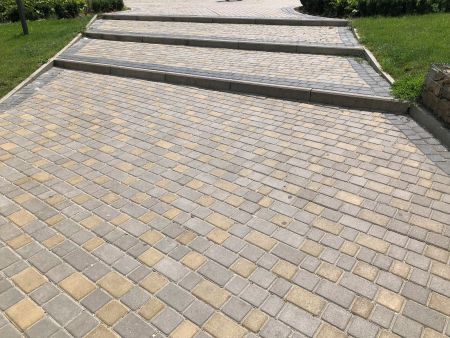
Homeowners in Houston, TX ask us a simple question all the time: what does sealer really do, and is it worth it for my driveway, patio, or walkway? The short answer is yes, when you choose the right product for your surface and our Gulf Coast weather. In this guide, KT Power Washing & Sealing explains how sealing protects concrete and pavers, when it makes the most difference, and what to expect over the life of a sealed surface. If you are comparing options, you can review our sealing services to see how we match products to local conditions.
What Sealer Actually Does for Concrete and Pavers
Sealer is a protective barrier designed to keep water, oil, and grime from moving into the pores of concrete and pavers. On concrete, the goal is to reduce moisture penetration, slow surface wear, and limit stains from vehicles, barbecue grease, or leaf tannins. On pavers, sealer also helps lock in joint sand, resist weed growth between joints, and enhance color so your patio looks richer and more uniform.
Houston’s heat and humidity put extra stress on unsealed surfaces. Afternoon showers, high UV, and soil movement can lead to fading, dark mildew spots, and flaking top layers. A well-chosen sealer creates a buffer that makes everyday cleaning faster and keeps the surface looking newer between professional maintenance visits.
When Sealing Is Worth It in Houston, TX
Not every surface needs sealer right away, but many Houston homes benefit due to climate and usage. Concrete driveways with regular vehicle traffic, paver patios under full sun, and walkways shaded by trees are prime candidates. Sealer shines when you want stain resistance, color stability, and easier upkeep without frequent scrubbing.
- High-traffic driveways that see oil drips or hot tires
- Paver patios exposed to UV that fade color unevenly
- Walkways with shade and leaf litter that tend to spot and darken
- Pool decks that need water repellency and mildew resistance
If your surface is already darkened by mildew, has white salt deposits, or shows patchy color, sealing after proper cleaning can stabilize the look and slow future issues. It does not fix structural cracks or raised slabs, but it helps preserve what you have.
Types of Sealers: Penetrating vs. Film-Forming
Sealers fall into two main families. Penetrating sealers soak into the material and repel water and stains without changing the look much. Film-forming sealers sit on top, giving a satin or gloss finish and stronger color pop.
For concrete driveways in our region, many homeowners choose penetrating sealer for breathable protection that handles heat well. Paver patios often get a film-forming product to deepen color and stabilize joint sand. The best choice depends on material, sun exposure, and how you want it to look after curing.
- Penetrating: natural look, high water repellency, strong breathability
- Film-forming: color enhancement, joint stabilization, sheen options
If hot tire marks have been a problem on your driveway, a quality penetrating sealer is often the safer choice for long-term appearance.
Houston heat and sudden showers can cause clouding if sealer is applied when the surface is too warm or rain moves in early. Plan sealing during a dry window and cooler hours, and allow proper cure time for a clear, even finish.
Stain Resistance, Color, and Everyday Cleaning
Stain resistance is where sealing delivers quick wins. Oil and grease stay on the surface longer, giving you more time to blot and clean before they soak in. On pavers, color looks richer and more uniform, especially on blended or tumbled styles. In shaded areas where mildew often forms, sealed surfaces are less likely to develop that blotchy look between professional washes.
Homeowners also notice easier weekly upkeep. A garden hose or blower typically removes dust, pollen, and leaves, limiting the need for stronger cleaning. That keeps surfaces looking consistent between your seasonal maintenance visits from KT Power Washing & Sealing.
Lifespan Extension: How Long Sealer Lasts
Longevity depends on sun exposure, traffic, product type, and surface texture. In Houston, penetrating sealers on driveways commonly last longer than film coatings on high-traffic paver patios, simply because vehicle traffic and UV wear down film layers faster. You can expect to plan for resealing at intervals that match your surface use and finish preference.
Look for these signs to consider a reseal:
- Water no longer beads on the surface
- Stains begin to penetrate faster than before
- Color enhancement fades or looks uneven
- Joint sand starts to wash out between pavers
Do not wait until stains are deeply set to reseal. Timely maintenance protects the material and preserves curb appeal.
Realistic Expectations: What Sealer Will Not Do
Sealer is not a fix for structural issues. It cannot stop cracks caused by soil movement or correct settling in older slabs. It also does not make surfaces bulletproof. Heavy oil left for days can mark even a sealed driveway, and dragging metal furniture can still scuff a sealed patio.
Glossy sealers can be more slippery when wet, especially on smooth concrete or dense pavers, so ask about texture and traction before choosing a high-sheen finish.
Choosing the Right Finish: Natural, Satin, or Gloss
Finish is part style, part function. Natural and matte looks keep glare down and maintain a fresh, understated appearance. Satin adds a mild sheen with a soft color pop, popular on pavers with warm tones. Gloss gives maximum color depth and a wet look, which some homeowners love, especially for darker pavers.
Houston’s bright sun can exaggerate glare, so think about how the area is used and where the sun hits during the afternoon. Around pools, many families select natural or satin finishes to balance color with traction and comfort.
Professional Preparation Matters for Lasting Results
Long-lasting results start with surface prep. Old coatings, airborne soils, and organic growth must be removed so the new sealer bonds evenly. Joints on paver patios may be topped off with sand where needed, and edges checked so water sheds correctly during storms.
Prep work in our climate also means giving the surface time to dry to the proper moisture level before sealing. Rushing this step risks haze or whitening. Professional crews time the process around Houston’s humidity, UV, and rain patterns so the coating cures the way the manufacturer intends.
Curious how professionals stage the work in local weather? Browse our overview of sealing services to see how product selection and timing come together for predictable, durable protection.
Concrete Sealing vs. Paver Sealing: Key Differences
Concrete is a single, continuous surface with tight pores that vary by finish. Penetrating sealers are common because they repel water without trapping vapor, which helps the slab handle heat and sudden rain. Pavers are individual units with joint lines. A film-forming sealer often adds color depth and helps stabilize sand, reducing washout during heavy storms.
If you entertain often on a paver patio, you may prefer a satin film that highlights color and simplifies cleanup after food or drink spills. For driveways that see a lot of traffic and afternoon sun, a breathable penetrating product is usually the workhorse choice.
Seasonal Timing in Houston, TX
Spring and fall typically provide the best windows for sealing in our area. Summer sealing can go smoothly with earlier start times and shade planning. Winter can work too on mild days, as long as temperatures and humidity align with product specs. The key is choosing a dry forecast and proper cure time so the sealer sets clear and strong.
If you are just beginning your research, you can start at our home base to learn the basics of concrete and paver sealing and see how KT Power Washing & Sealing supports homeowners across neighborhoods like The Heights, Memorial, West University, Katy, Pearland, and Cypress.
Care After Sealing: Simple Habits That Help
After the surface cures, small habits go a long way. Place protective pads under grill carts and outdoor furniture. Clean spills soon rather than letting them sit through a full weekend of sun. Sweep or blow leaves before they soak and stain. These steps help your sealer do its job and keep surfaces consistent between professional maintenance visits.
A practical rule of thumb is to monitor water beading every few months. When water stops beading, call for an evaluation before stains return.
Is Sealing Right for Your Surface?
Think about your goals. If you want stain resistance on a driveway, richer color on a paver patio, and easier cleaning after Houston rainstorms, sealing is a smart investment. If you expect sealer to repair cracks or stop slab movement, it will not meet those expectations. The right product and finish, applied under the right conditions, is what delivers value.
When you are ready to explore options, KT Power Washing & Sealing can review your material, sun exposure, and traffic patterns, then recommend a match. Our team works across the city and times projects to local weather so you get consistent results that last.
Get Sealing Results You Can Count On
Ready to protect your driveway, patio, or walkway with professional concrete and paver sealing in Houston? Our specialists at KT Power Washing & Sealing will evaluate your surface and recommend the right product and finish for how you live. If you want a clear path from evaluation to results, start by reviewing our approach to sealing services and how we tailor solutions to Houston’s climate.
You can reach our team at 832-869-0220 to discuss your goals and timing.